

 1 / 17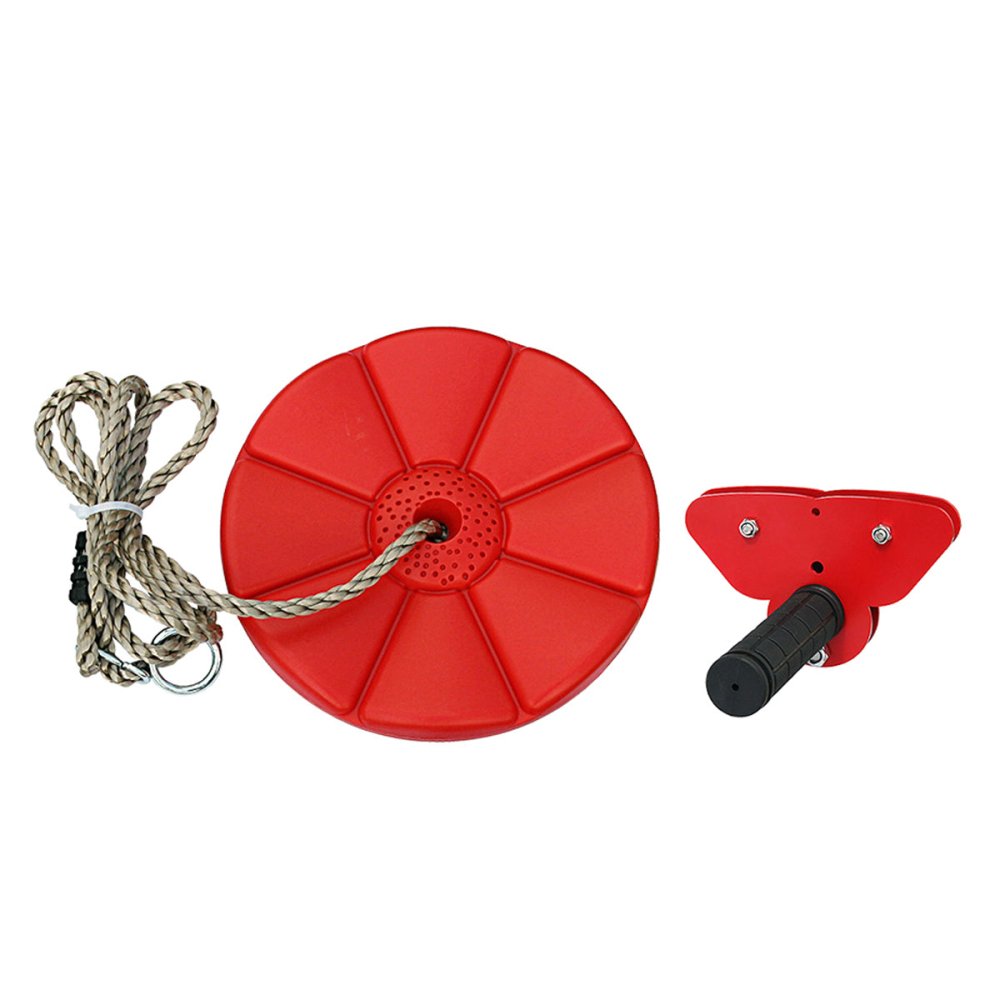
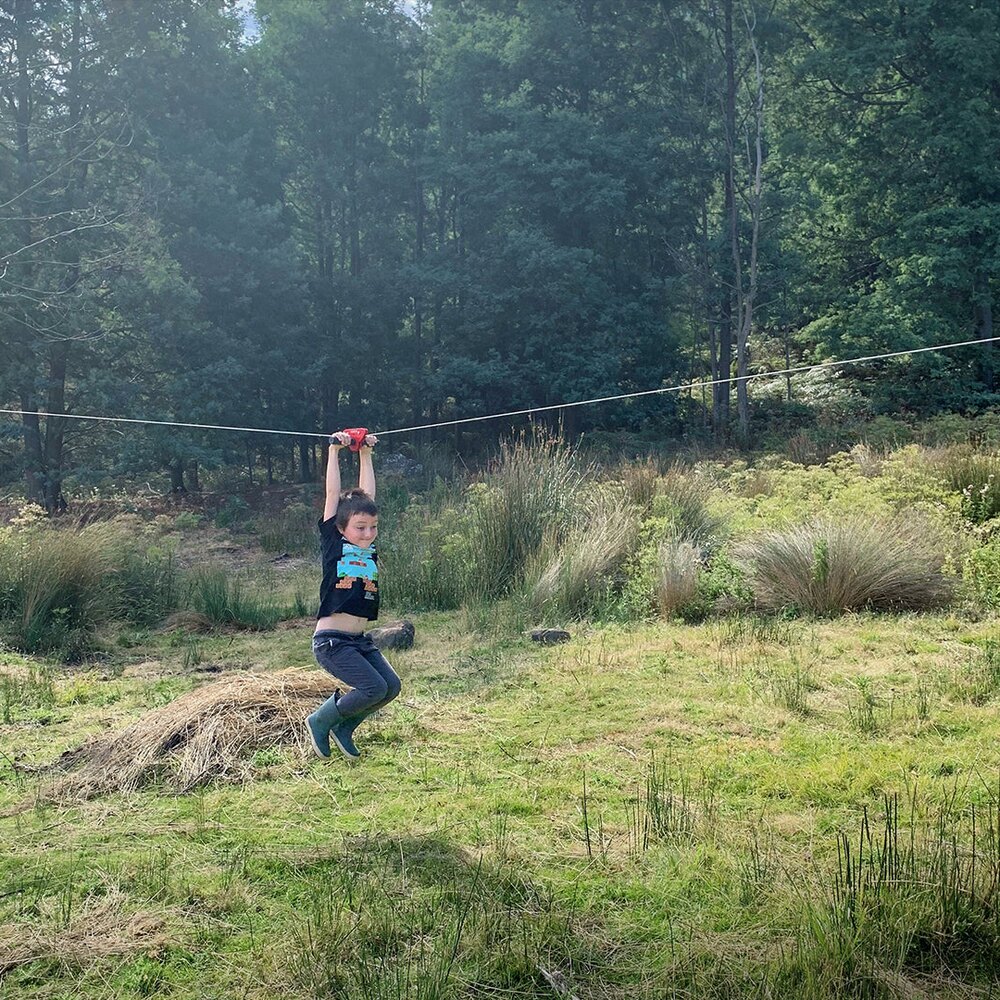
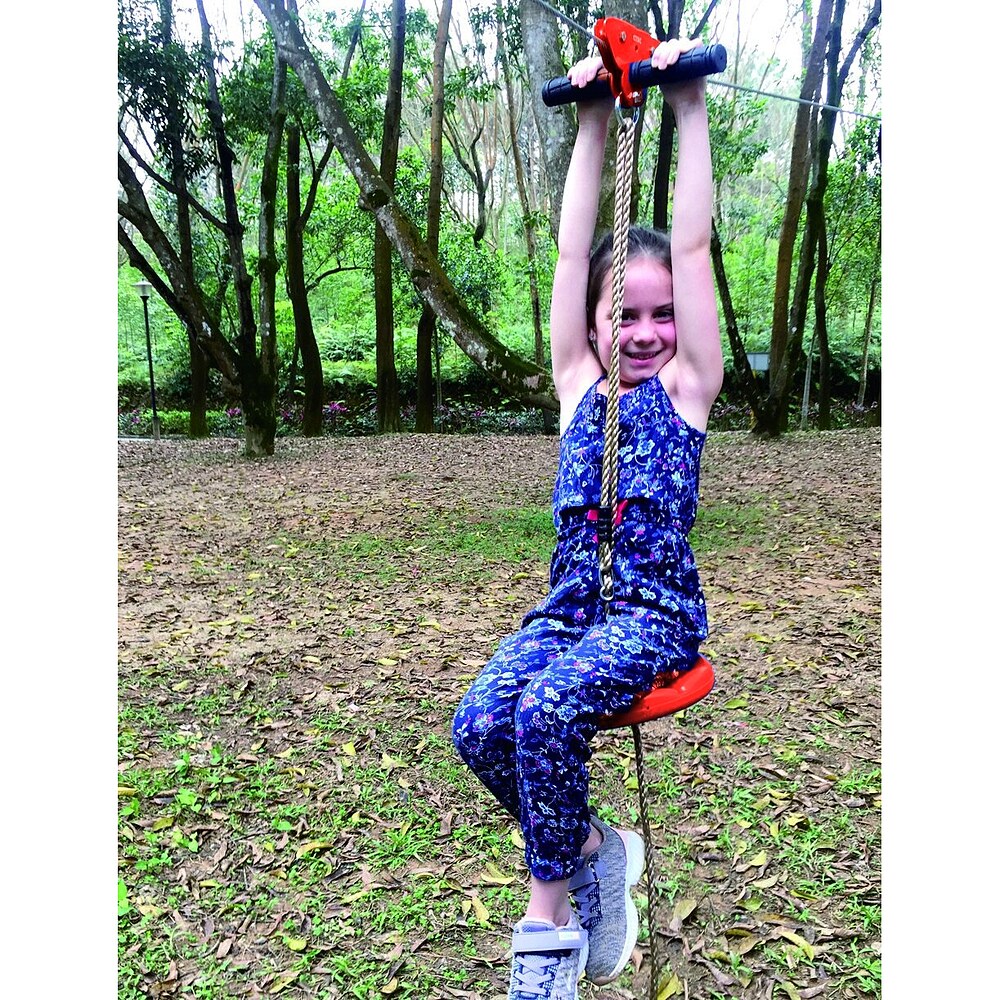
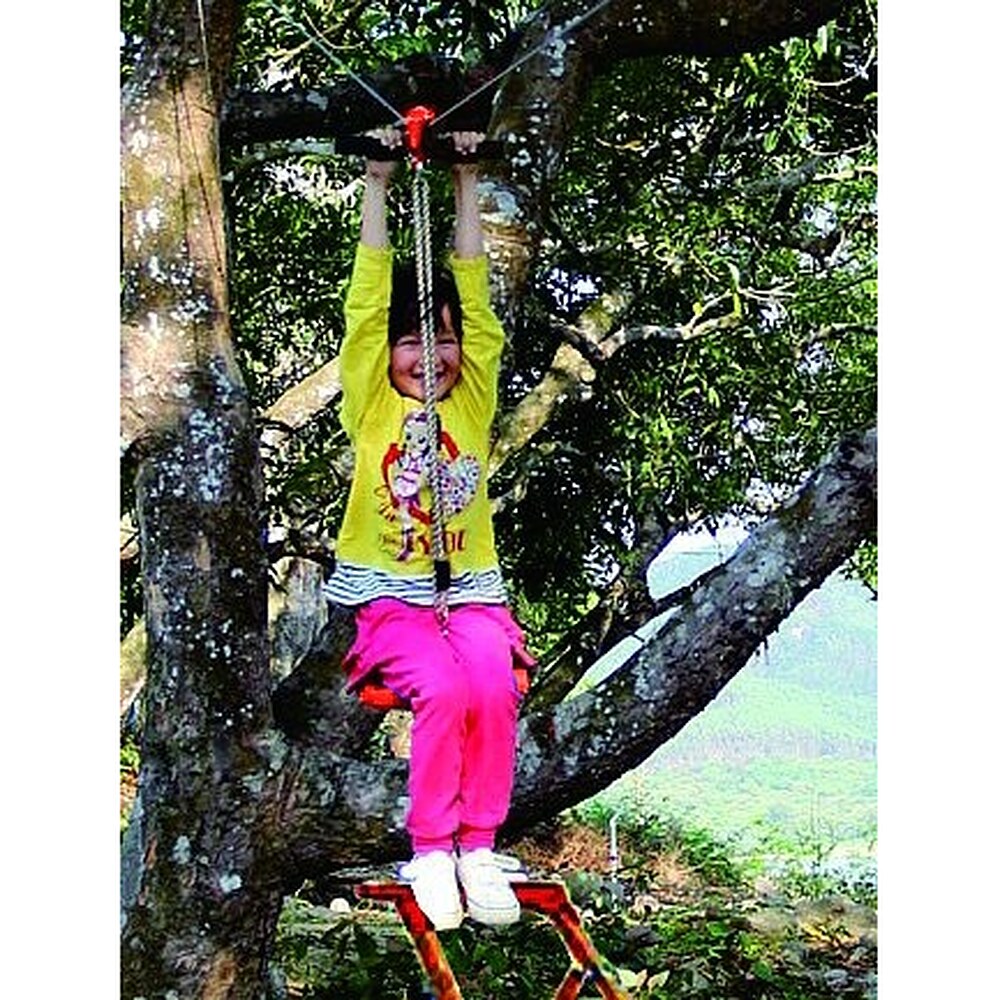
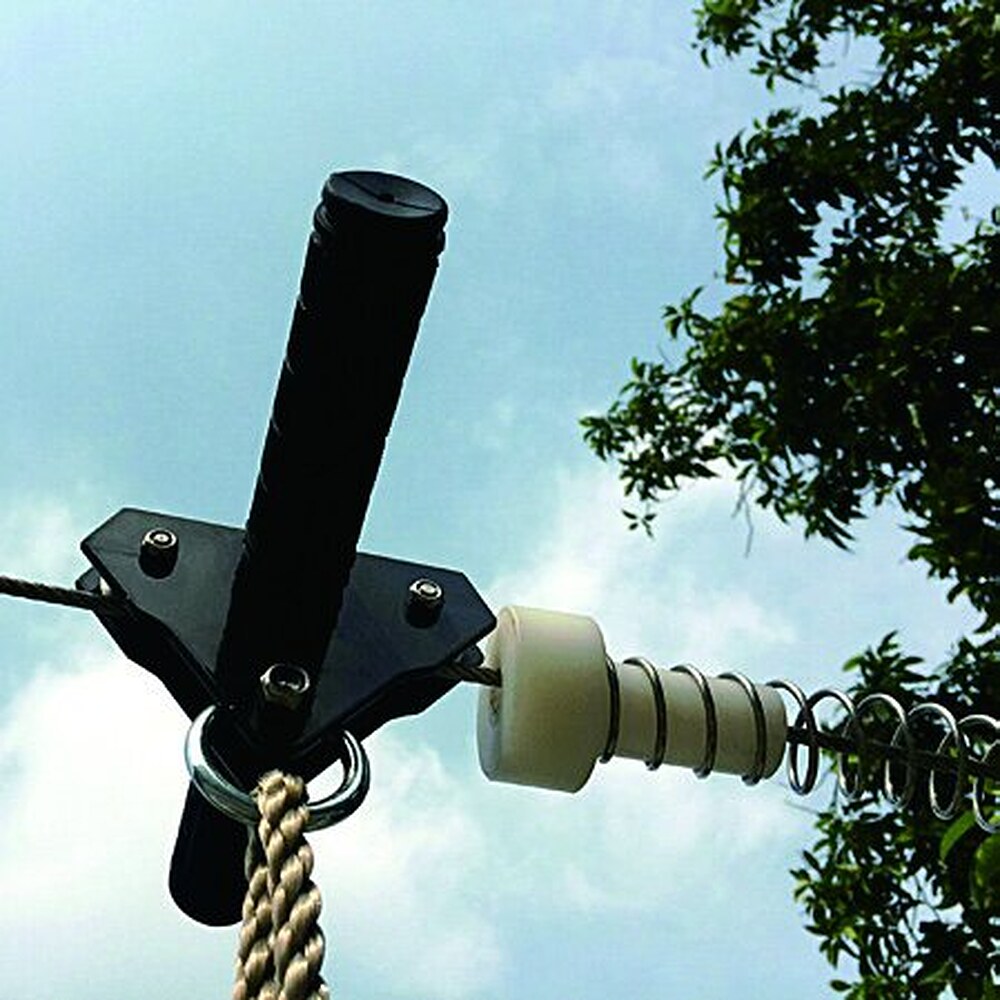
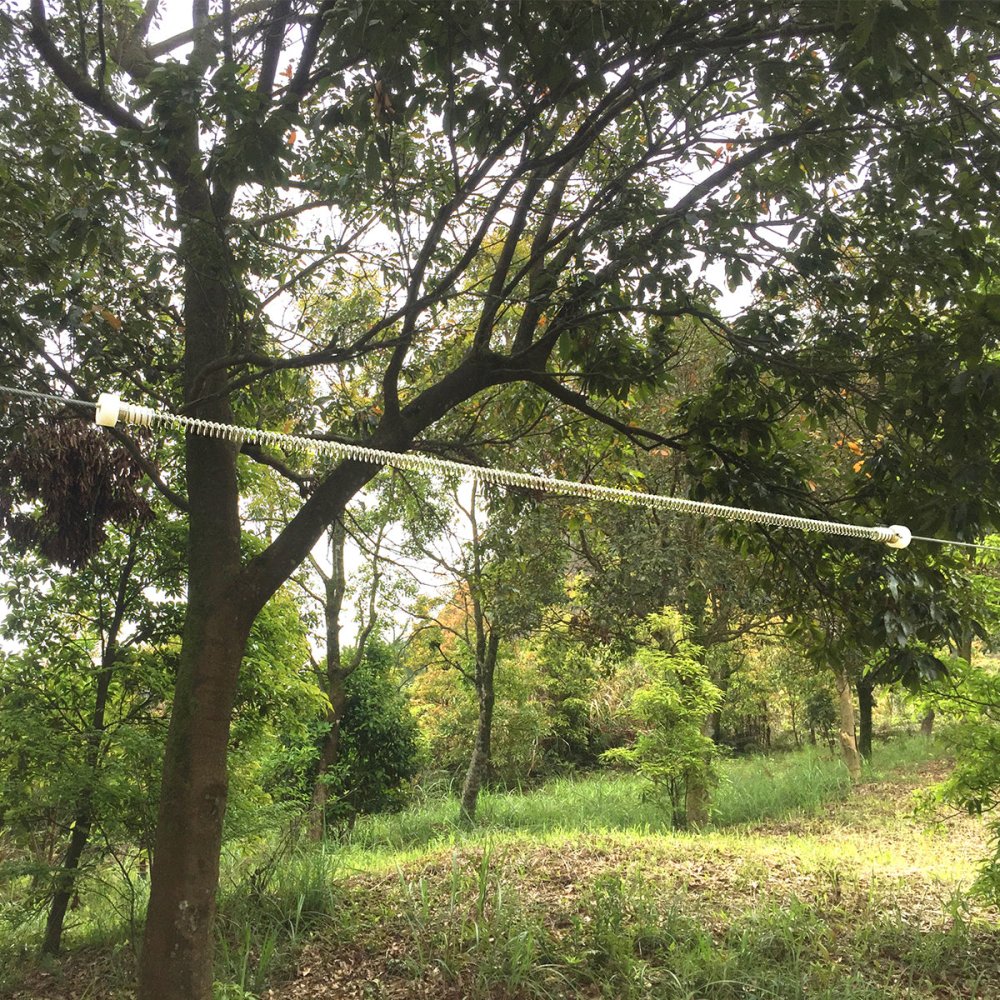
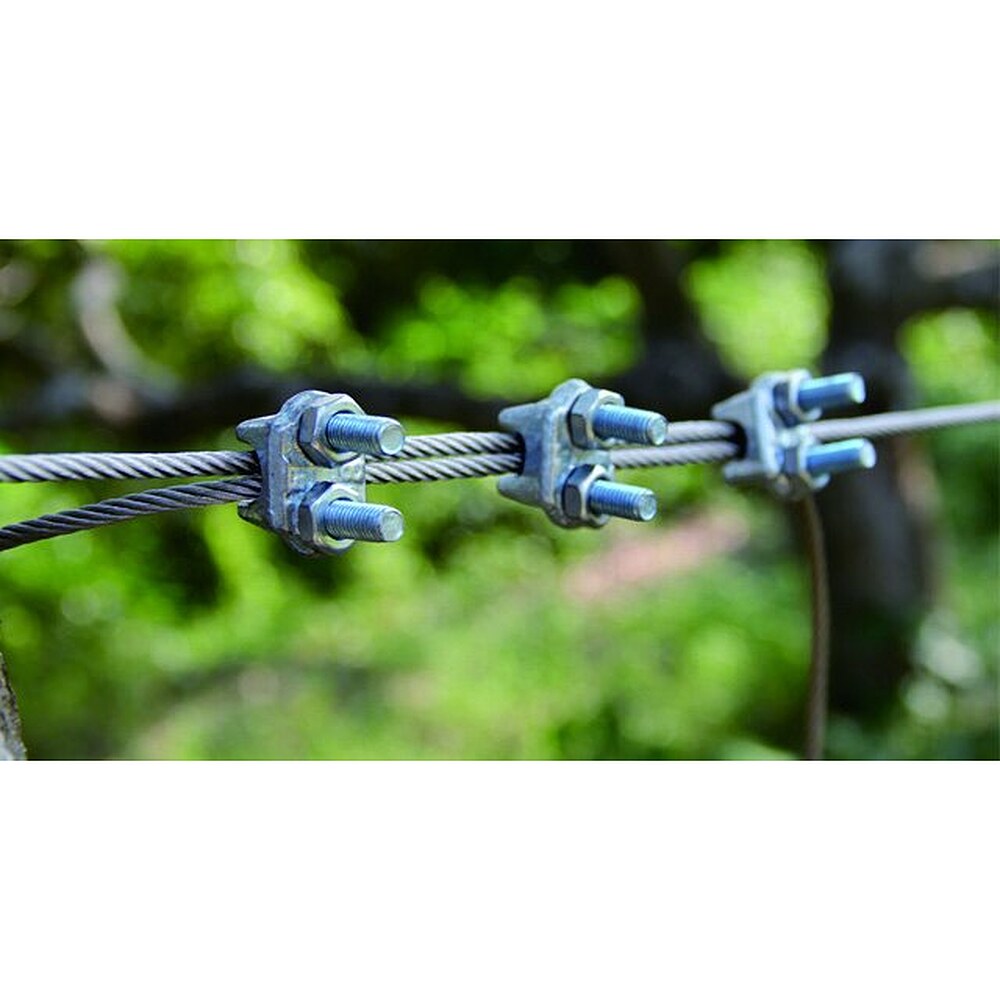

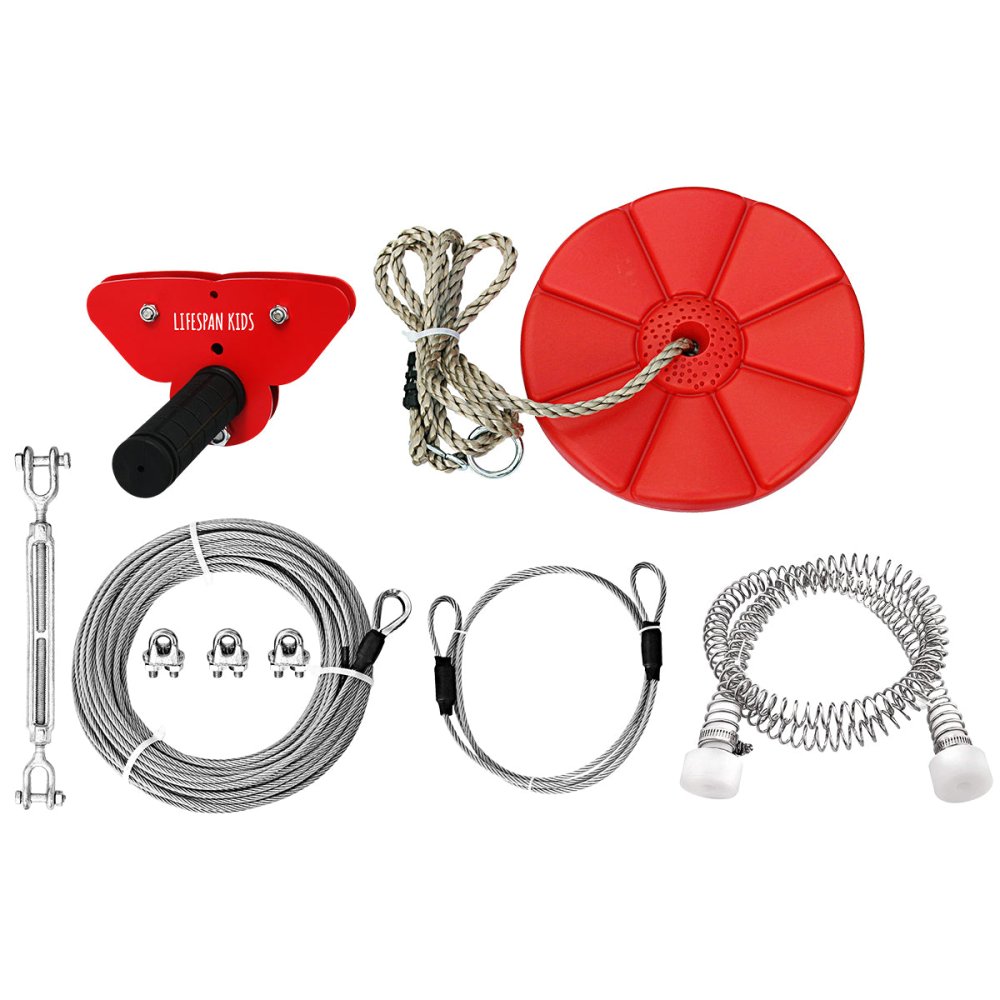
- Flying Fox (Zip Line) Kit with a 29m Steel Cable
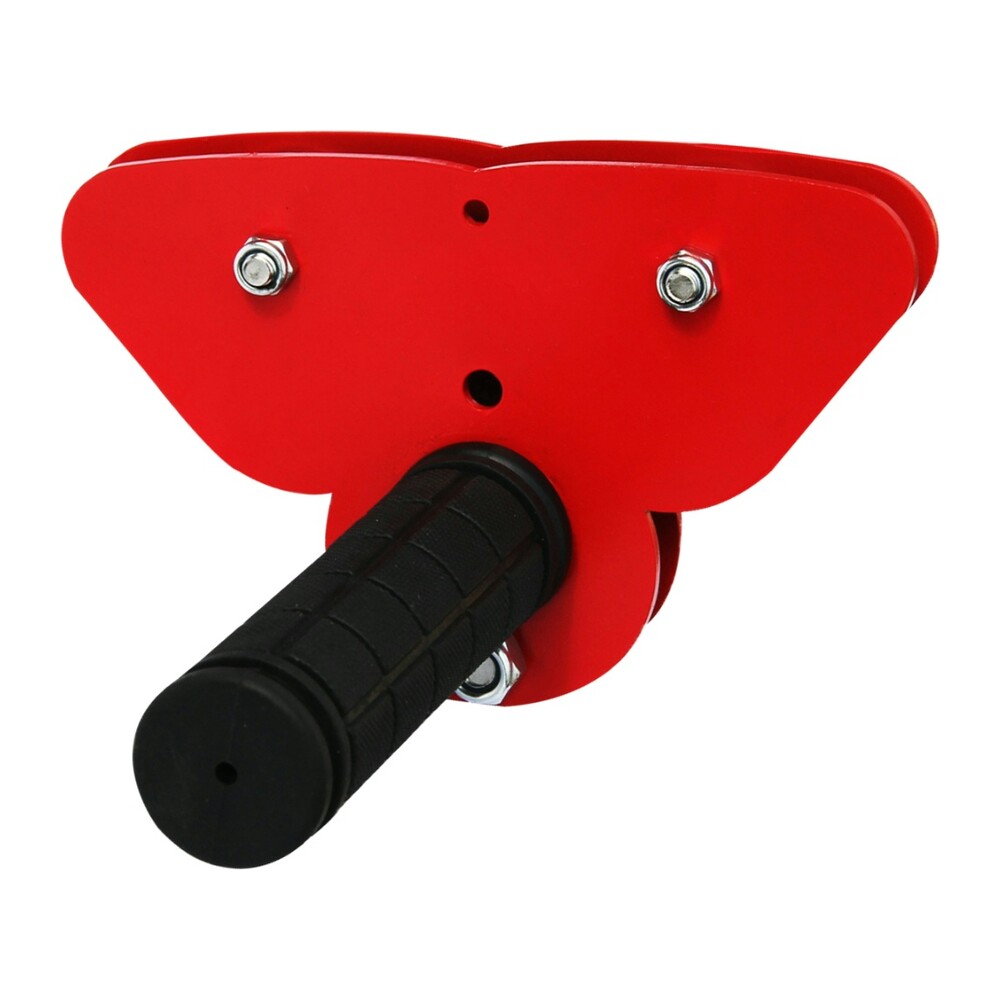
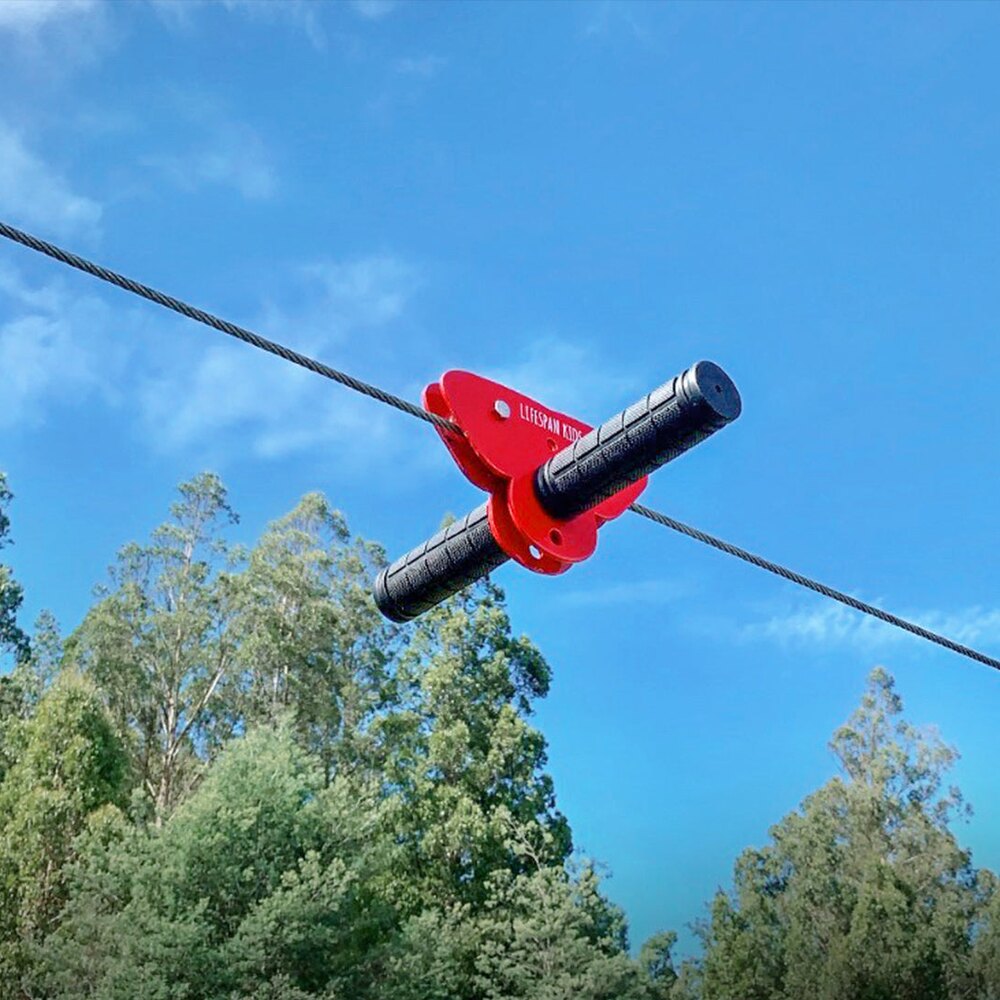
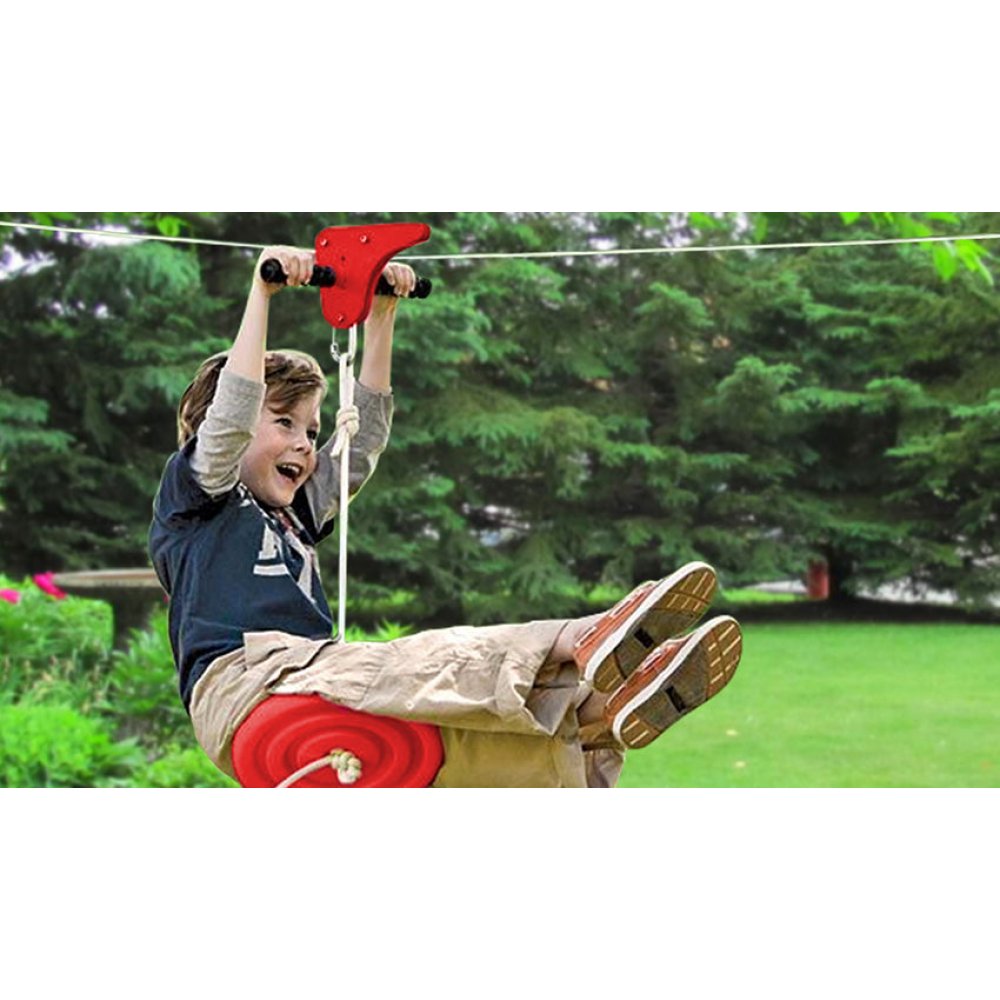
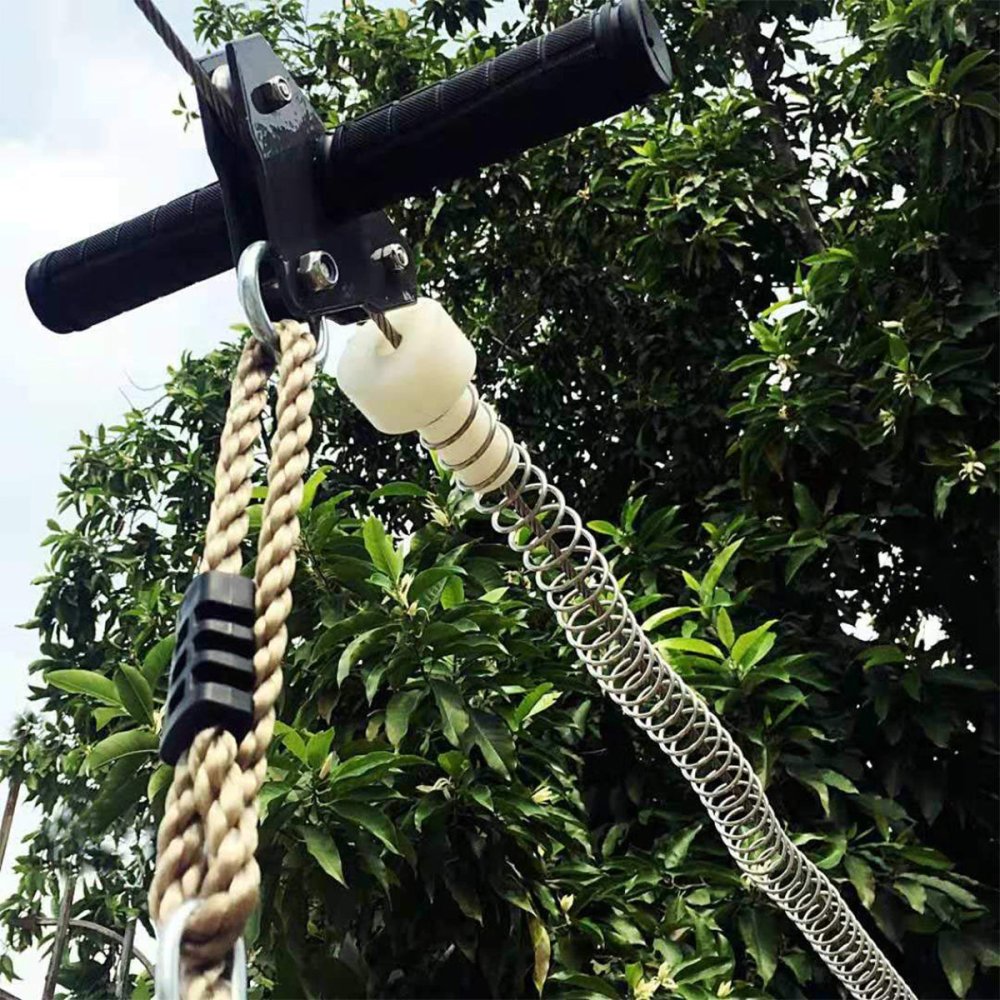
- Trolley with Handles and a Disc Seat
- Spring Brake Included
- Capacity: 113kg, One Rider at a Time
- For Ages 8 and Over
- Needs Two Healthy Trees, 31cm Diameter or More, Less Than 29m Apart
Lifespan Kids Woomera Flying Fox Zip Line with Seat
What you need
Two live, healthy trees at least 31cm in diameter (92cm around the trunk), with a clear run between them. The trees should be less than 29m apart, because the main cable is 29m long and wraps around the finish tree (more under Distance and heights below). No posts are included. The manual says not to fix the cable to anything else without the opinion of a qualified engineer, and to ask an arborist if you are unsure about a tree.
Distance and heights
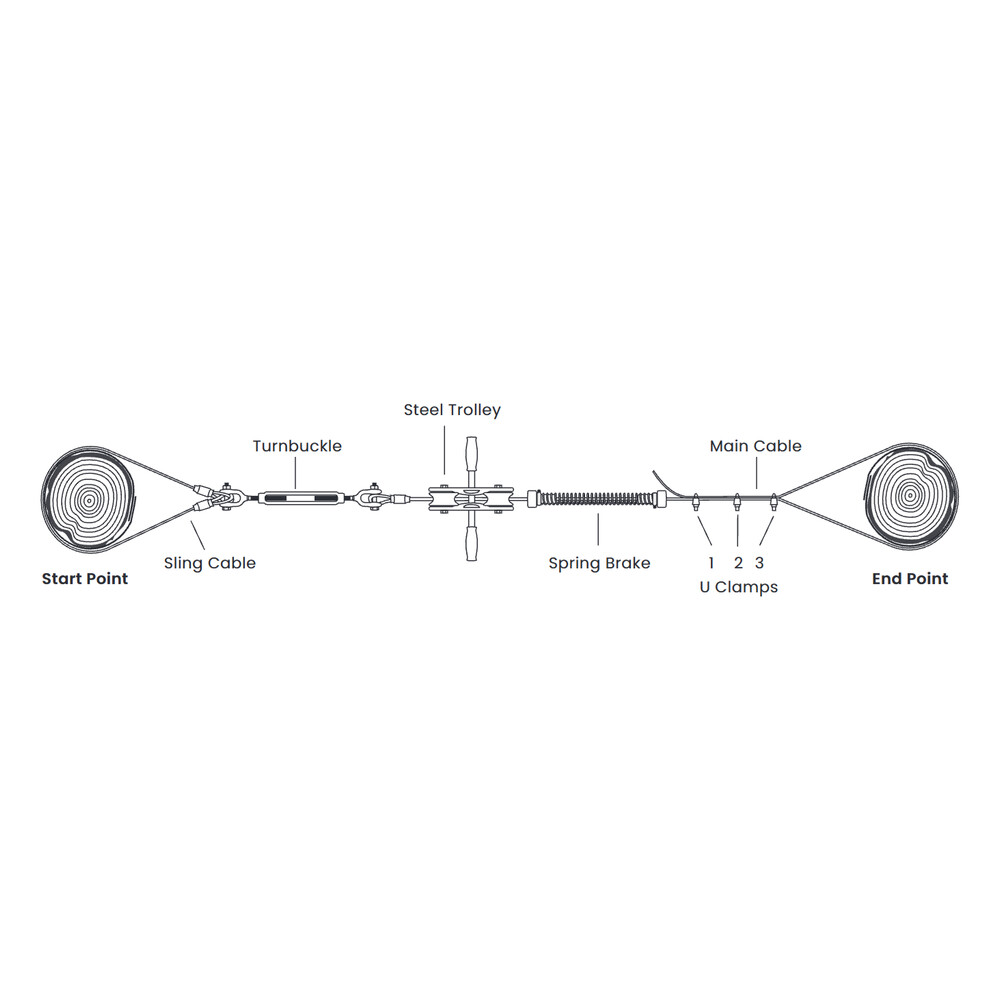
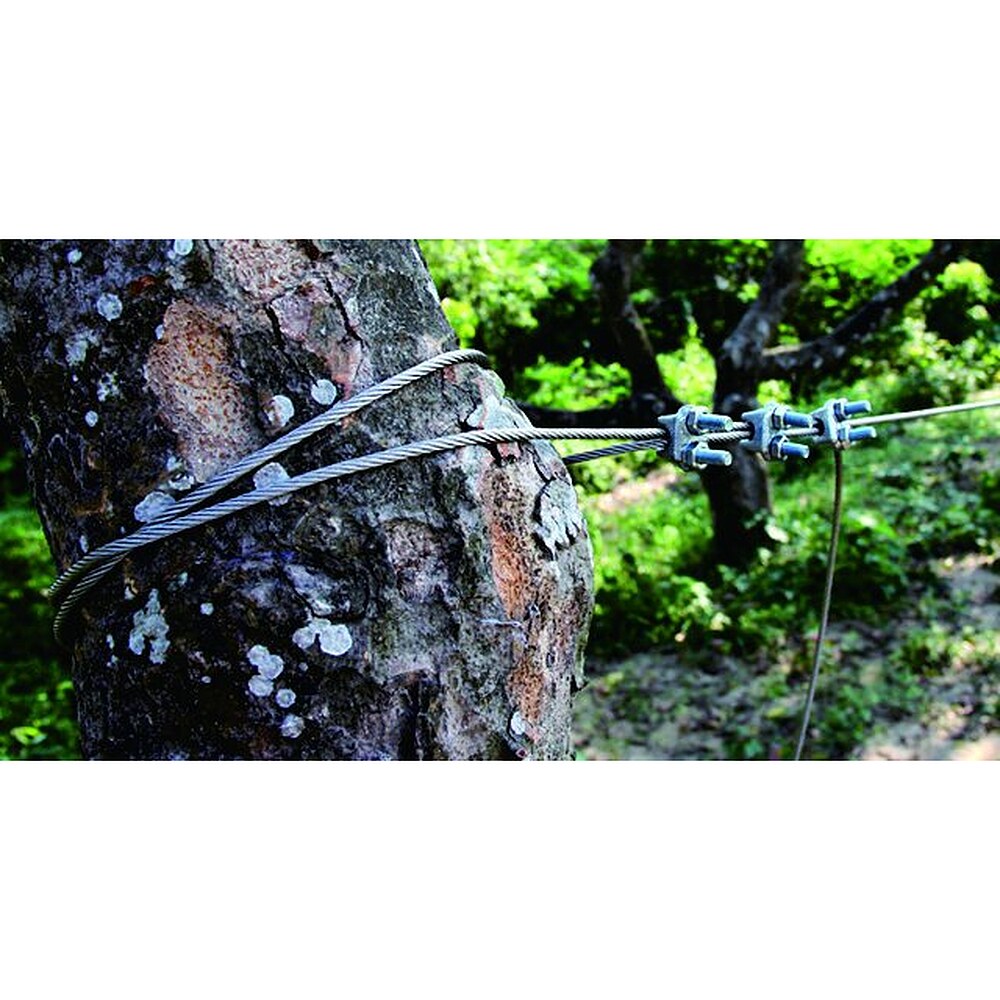
The main cable is 29m long and wraps around the finish tree, with its end held by the three clamps, so the trees need to be less than 29m apart. Thicker trees take more cable. The manual's own example is a 27m course.
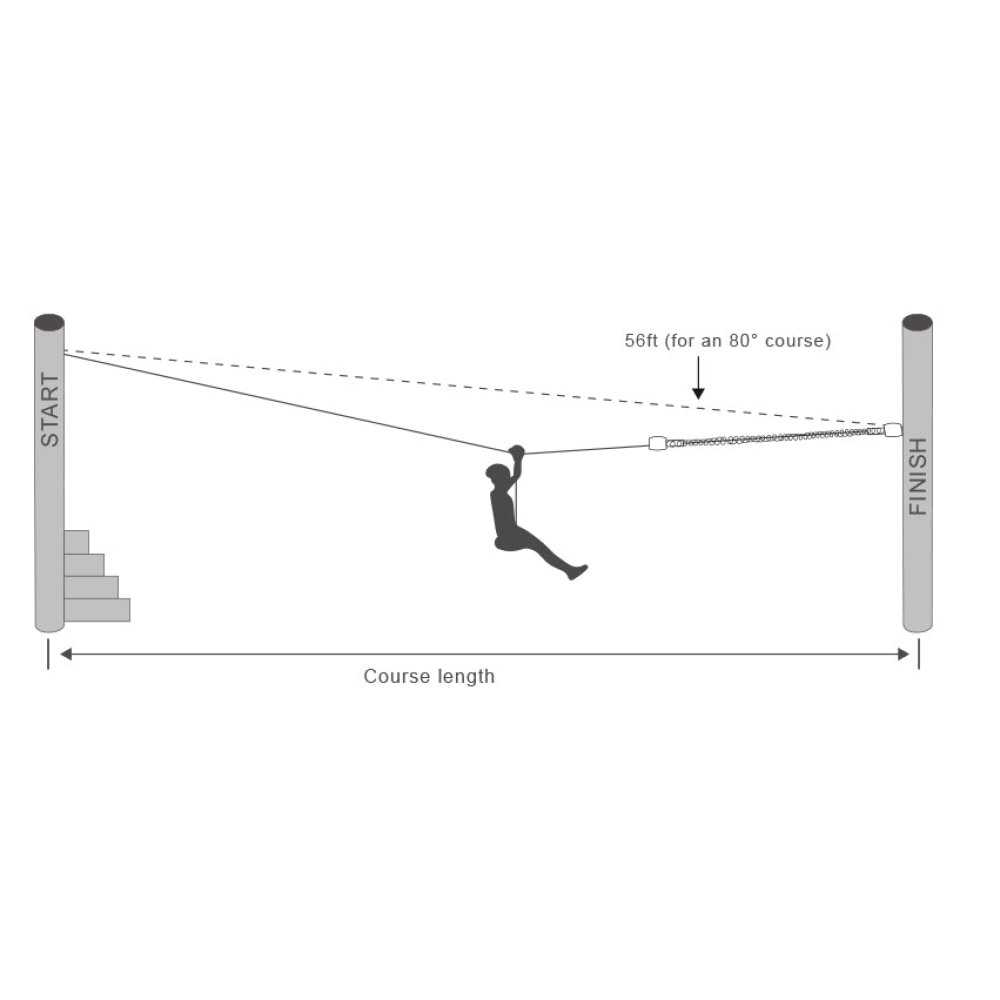
The start is fixed higher than the finish so the trolley rolls. The manual works out the heights like this, on level ground:
- Finish height: the tallest rider's height plus at least 61cm. For a 1.5m rider, about 2.1m.
- Drop: the course length times 8%. A 20m course needs a 1.6m drop, and a 27m course about 2.2m.
- Start height: the finish height plus the drop. For a 1.5m rider on a 20m course, about 3.7m.
You also need a stable launch platform that does not rock and is tall enough for the shortest rider to reach the trolley (not included), an adjustable spanner, pliers, and a couple of helpers with brooms to hold the cable up while you take out the slack.
Setting up
An adult must set it up and test it before anyone rides. The manual has you hang 113kg from the trolley to check the cable and its fixings, and run a weight down the line to check the brake. Run the line over grass that is clear of bushes, rocks and anything else a rider could hit. If the grass packs down hard over time, move the line to softer ground. Keep other people at least 7.62m from the line while it is in use, and do not use it when it is wet, windy or raining. Adult supervision is required at all times. The kit has small parts, so keep children under 3 away while you assemble it.
Riding Safely
- Before each ride: Check the trolley, cable, rope, knot, clamps and trees for wear, fraying or anything loose. Replace worn parts with Lifespan parts only.
- Clothing: Wear closed shoes and close-fitting clothes. No scarves, loose clothing or jewellery, and keep long hair away from the trolley.
- No helmets: The manual says not to wear a helmet, because it can tangle in the rope.
- Seat height: Adjust the rope so the rider's head is well below the trolley.
- Riding: Hold the trolley handles tightly, and wait until you have stopped completely before letting go or getting off.
- Brake: The trolley should stop before it reaches the clamps at the finish. If it reaches them, lower the start or raise the finish slightly.
- Clamps: Retighten the cable clamps after the first ride. Check them again after half an hour of use, and regularly after that.
- Load test: Repeat the 113kg load test often, not only when you first set up.
- Cold weather: Bring the rope and seat inside when it drops below 0°C.
Lifespan Kids Standards
Standards met for this kit:
- EN 71-8:2018, the European safety standard for activity toys for home use
Lifespan Warranty Details
This is the Lifespan Kids warranty, and claims go through us. Parts are covered for 1 year. The warranty has maintenance requirements, which are outlined in the manual. A faulty part is repaired or replaced, and the warranty applies to the original buyer only. It does not cover:
- Ordinary wear and tear: scratches, dents, fading, wear to the paint or finish, and sun damage to fabric parts.
- Rust on steel parts, unless a manufacturing fault caused it, and any rust on a kit within 1.5km of salt water or exposed to ocean spray.
- Kits that have not had the maintenance in the manual, including treating rust spots.
- Use outside a family home, such as schools, childcare centres and play centres.
- Kits that have been modified or fitted with another brand's parts or accessories, and faults caused by incorrect assembly, misuse or the weather.
- Assembly, installation and call-outs.
Note for NT: Delivery to the NT outside Darwin is not possible for this item. Email us if you want to check your address.
How far apart do the trees need to be?
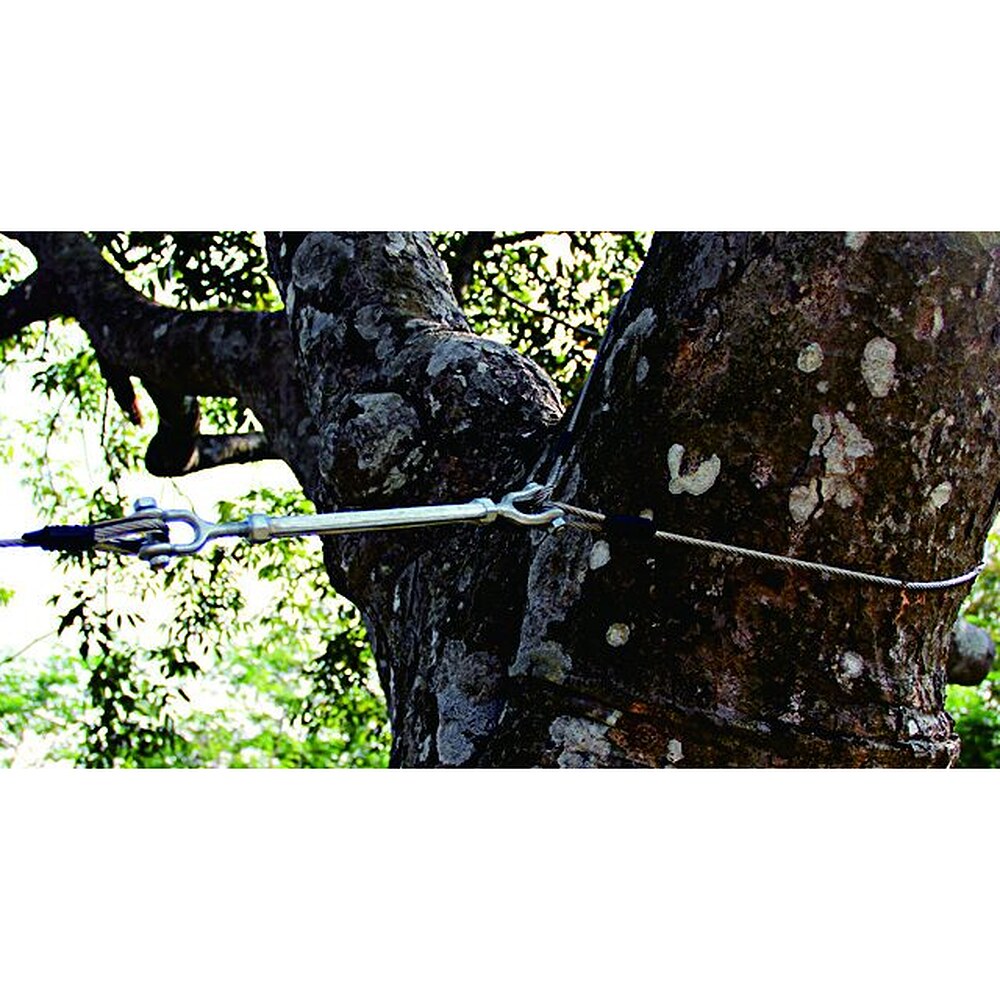
Less than 29m, which is about the maximum that the length of the main cable allows for. At the finishing end of the course, the main cable wraps around the finish tree and its end is held by three clamps, while at the start of the course, there is an additional sling cable and turnbuckle. The example course length given in the manual is 27m long, while the cable could be shortened, by looping some of the excess near to the buckles.
How much higher should the start be than the finish?
A standard course slope is 8%, meaning, the start point must be higher than the end point, by 8% of the course length eg. 8% of 27m is 2.16m, so the start must be 2.16m higher in that case. The shorter the course, the less height difference needed. A 20m course would need a 1.6m drop. The finish must be at least 61cm above the tallest rider's height. Example: on level ground, a 1.5m rider on a 20m course means fixing the cable at about 2.1m at the finish tree and about 3.7m at the start tree.
What do I need that is not in the box?
Two live, healthy trees at least 31cm in diameter and a suitable distance apart, a stable launch platform that does not rock and lets the shortest rider reach the trolley, an adjustable spanner and pliers. You also need a couple of helpers with brooms or poles to hold the cable up while you take out the slack, and a 113kg load, or a person that heavy, for the stress test before the first ride.
Can it go between posts instead of trees?
If a qualified engineer has checked them. The Lifespan manual says not to attach the cable to anything other than live, healthy trees without an engineer's opinion, because the posts must take a strong sideways load. No posts come with the kit. If you are unsure whether a tree is healthy and strong enough, the manual suggests asking an arborist.
How does the flying fox stop at the end?
A stainless steel spring brake on the cable, between the trolley and the finish tree, slows the trolley to a stop before the finish clamps. The cable also sags under the rider, so the ride slows from about two thirds of the way along. You test the brake with a weight before anyone rides, and if the trolley reaches the clamps, you lower the start or raise the finish slightly, to reduce the slope of the course.
| Weight Capacity | 113kg |
| Riders | 1 at a Time |
| Main Cable | 29m Galvanised Steel |
| Sling Cable | 1.53m |
| Brake | Stainless Steel Spring Brake |
| Suggested Age | 8 Years and Over |
| Anchor Points | Live Healthy Trees, 31cm Diameter or More |
| Distance Between Trees | A Little Under 29m (Cable Length), No Minimum Given |
| Height Difference | Start Higher Than Finish by 8% of the Course Length |
| What's Included | Trolley with Handles, Main Cable, Sling Cable, Turnbuckle, 3x U Clamps, Seat with Rope, Spring Brake |
| Warranty | 1 Year (Parts) |
| Support | 7 Days per Week |
 lifespan-woomera-flying-fox-manual.pdf